

A missing tooth in your mouth not only impacts your smile; it affects your capability to eat and talk and reduces self-confidence. Dental implants have proved to be one of the most dependable ways of fixing your missing teeth; however, people are always unsure about using them due to a commonly shared concern: “How painful are dental implants?”
On the positive side, the thing is that most patients are usually shocked with how painless the procedure turns out to be. Owing to the advancement in the dental field and the use of technology along with effective administration of local anesthesia, the dental implants process is quite painless, contrary to popular belief. In fact, several patients compare the recovery to having a routine tooth extraction.
If you’re thinking about getting a Dental Implant in Salt Lake, then it’s important for you to know what is going to happen before, during, and after your procedure in order to minimize any worries. We’ll tell you everything you need to know about each step in the process, how long any pain will last, and tips for recovery.
Whether you’re replacing a single missing tooth or planning a full smile restoration, this guide will help you make an informed decision with confidence.
Does a Dental Implant Hurt? (Quick Answer)
The short answer is no.
In case of dental implants, local anaesthesia is used, which ensures that the region in question is fully numbed and painless. Therefore, you are not supposed to feel any pain during the process of implantation. You might experience some vibrations and pressure sensations in the mouth, but they are not considered pain.
After the effect of the anaesthesia has worn off, it is not unusual to suffer from a slight pain or tenderness in the area of the implanted teeth. This feeling typically reaches its peak during the first 24 to 48 hours and subsides during the following days. The vast majority of patients handle these sensations with help of prescribed or OTC pain killers.
Everyone recovers at their own pace; however, it should be noted that severe pain is not a natural part of getting dental implants done. With careful planning and an experienced implant dentist, the entire process goes quite smoothly.
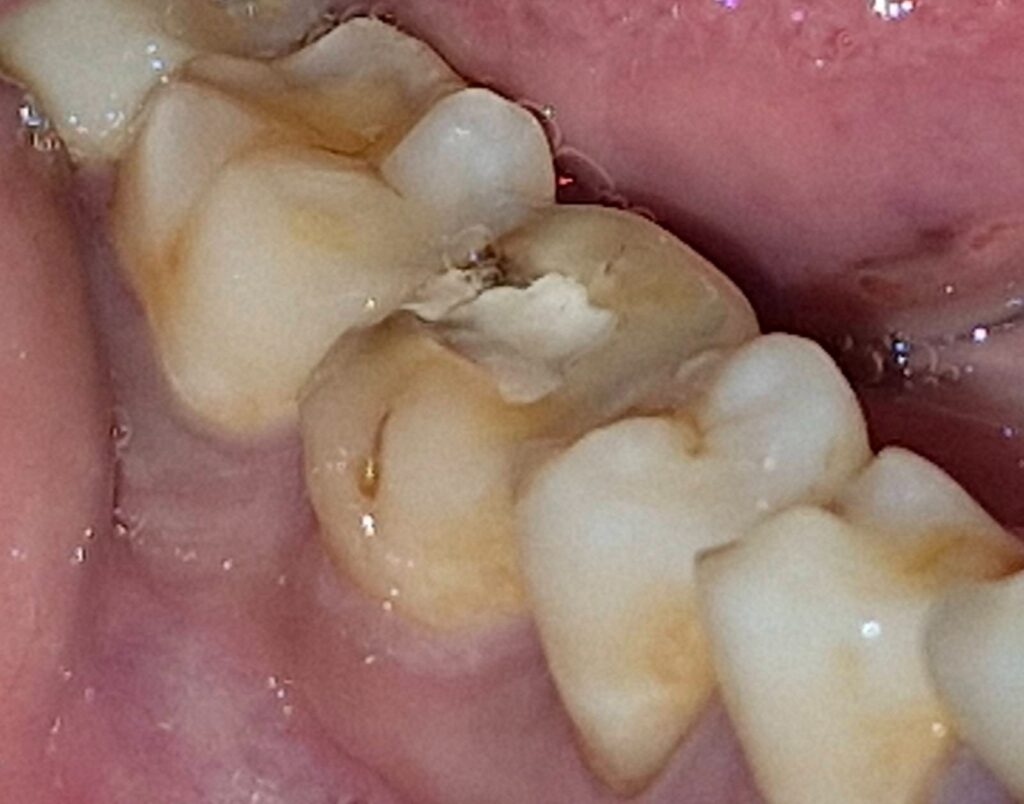 Why People Think Dental Implants Are Painful
Several people assume dental implant surgery is painful simply because it includes placing a titanium implant into the jawbone. While that may sound intimidating, the reality is very different.
Several misconceptions contribute to this fear.
Fear of Oral Surgery: The word “surgery” often forms unnecessary fear. However, dental implant surgery is a carefully planned method performed applying specific techniques that reduce discomfort.
Stories Shared by Others: You may hear incidents from friends or read comments online about pain after dental treatment. Every patient has a diverse medical history, pain tolerance, and healing process. A properly placed implant by an experienced dentist is unlikely to cause significant discomfort.
Confusing Recovery with Pain: Some swelling, mild tenderness, and stiffness are normal symptoms that your body is healing. These provisional symptoms are often misunderstood for severe pain, even though they usually improve within a few days.
Outdated Information: Dental implant techniques have advanced substantially over the years. Digital planning, 3D imaging, guided implant placement, and increased surgical techniques have made the treatment more accurate, lowering trauma to the surrounding tissues and making recovery more comfortable than ever before.
Understanding these facts can help replace fear with realistic expectations.
What Happens During a Dental Implant Procedure?
Knowing each step of the treatment often helps patients feel more relaxed. Here’s what you can expect when receiving a dental Implant in Salt Lake.
Consultation and Treatment Planning
Any successful dental implant starts with an initial consultation. Your dentist will do a thorough examination of your teeth, gums, and jaws to ascertain whether you qualify for treatment. Digital x-rays and CBCT scanning can be recommended to evaluate the condition of your bones and identify vital anatomical features.
During this visit, you’ll also discuss:
- Your medical history
- Current medications
- Number of missing teeth
- Bone availability
- Treatment timeline
- Estimated recovery period
A personalised treatment plan helps reduce complications and ensures the implant is placed in the ideal position.
Local Anaesthesia
The primary fear that a patient has is whether they will experience pain during the entire process. The treatment area is fully numbed prior to placement of the dental implants by use of local anesthesia. After the treatment area becomes numb, there will be no sharp pain.
You may notice:
- Gentle pressure
- Slight vibration
- Minor pushing sensations
These feelings are completely normal and should not be uncomfortable.
Patients with dental anxiety can also discuss additional comfort options with their dentist if required.
Implant Placement
Once the area is numbed, the dentist makes an incision in the gums and prepares the bone where the implant will be placed. Then, the dentist places the titanium implant, which serves as a false tooth root, into the bone. The gum is sealed after placing the implant. Today’s implants are manufactured in such a way that it makes the procedure easier and causes little damage to the surrounding tissue. The operation of one implant usually lasts from 30 to 60 minutes.
Healing Phase
Healing is one of the most critical parts of dental implant surgery. Over the course of several months to come, the implant will slowly fuse with your jaw bone thanks to a biological phenomenon known as osseointegration. This provides an extremely secure base for the artificial tooth.
During this period:
- The gums heal.
- The bone grows around the implant.
- The implant becomes firmly integrated with your jaw.
Most patients continue their daily activities while this healing process takes place, attending only a few scheduled follow-up visits.
Crown Placement
Once healing is complete, your dentist attaches a custom-made dental crown to the implant.
The crown is carefully designed to match the colour, size, and shape of your natural teeth, creating a seamless appearance. At this stage, the implant feels and functions much like a natural tooth, allowing you to eat, smile, and speak with confidence.
With proper oral hygiene and regular dental check-ups, a dental implant can provide a long-lasting solution for missing teeth.
Pain During Each Stage of Dental Implant Treatment
One of the most general questions patients ask is, “When will I actually feel pain?” The answer relies on the stage of treatment. In most cases, any discomfort is provisional and controllable with proper care.
The table below provides a realistic idea of what you can expect during your dental implant journey.
| Treatment Stage | Expected Pain Level | What You May Feel |
| During the Procedure | 0/10 | The area is completely numb. You may feel slight pressure but no pain. |
| First 24 Hours | 3 to 5/10 | Mild soreness, tenderness, and slight swelling around the implant site. |
| Days 2 to 3 | 2 to 4/10 | Swelling gradually reduces. Mild discomfort while chewing may continue. |
| Days 4 to 7 | 1 to 2/10 | Most discomfort subsides, and healing progresses well. |
| After Two Weeks | 0 to 1/10 | The gum tissue is largely healed, and normal activities can be resumed comfortably. |
One thing that needs to be remembered is that everyone’s ability to tolerate pain is different. While some patients might need pain medicines for just one day, some others might need them for a couple of days. Compliance with aftercare directions from your dentist makes all the difference.
Dental Implant vs Tooth Extraction: Which Hurts More?
Several people assume that dental implant surgery is more painful than removing a tooth. Surprisingly, most patients report the opposite. During both procedures, local anaesthesia prevents pain. The main difference lies in the recovery period.
| Procedure | Pain During Treatment | Recovery Experience |
| Dental Implant | No pain because of local anaesthesia | Mild soreness and swelling for a few days |
| Tooth Extraction | No pain because of local anaesthesia | Often more discomfort due to the open extraction socket |
| Root Canal Treatment | No pain during treatment | Mild sensitivity for one or two days |
| Wisdom Tooth Removal | No pain during treatment | Swelling and discomfort may last longer, especially after surgical extractions |
The process of dental implants is done in such a precise manner that it causes no damage to the tissues in the area where the procedure is done. Dental extraction procedures may sometimes cause greater levels of inflammation.
The important point is that both procedures are carried out with effective pain control, and neither should be painful during treatment.
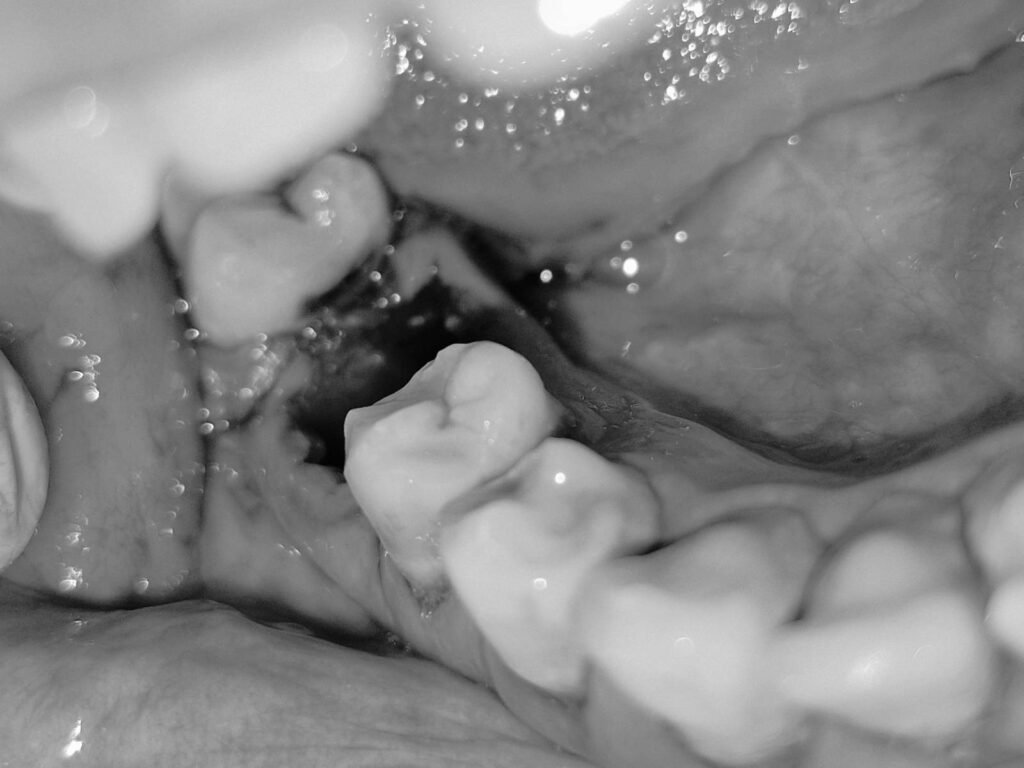 What Factors Affect Dental Implant Pain?
Every patient’s experience is unique. Several factors can influence how much discomfort you feel after implant surgery.
Number of Implants: Getting a single implant normally includes less post-operative discomfort than placing multiple implants or performing a full-mouth restoration.
Bone Quality: Patients with healthy jawbone structure often heal more faster. If bone grafting is necessary before implant placement, the recovery period may be slightly extended.
Surgical Technique: Contemporary implant dentistry focuses on slightly invasive procedures. Digital planning and accurate placement decrease unnecessary trauma to the gums and surrounding bone, making recovery more comfortable.
Experience of the Dentist: An experienced implant dentist carefully plans every stage of treatment, helping minimise complications and improve healing.
Existing Oral Health: Healthy gums offer a better environment for healing. Conditions such as gum disease should be treated before implant surgery to reduce the risk of discomfort and infection.
Smoking and Lifestyle Habits: Smoking slows healing by lowering the blood supply to the gums. Patients who smoke may experience a late recovery and a bigger risk of implant complications.
General Health: Medical conditions such as uncontrolled diabetes or weakened immunity can affect the body’s natural healing process. Inform your dentist about your complete medical history before treatment.
How Long Does Dental Implant Pain Last?
Most patients are pleasantly surprised by how quickly they recover after dental implant surgery.
Here’s a typical healing timeline.
First 24 Hours
This is when you may experience the greatest amount of discomfort.
You might notice:
- Mild swelling
- Slight bleeding
- Tenderness around the implant
- Difficulty chewing on the treated side
Your dentist may recommend pain medication and applying an ice pack to reduce swelling.
Days 2 to 3
The discomfort usually begins to improve.
At this stage:
- Swelling starts reducing.
- Eating becomes more comfortable.
- Pain medication may no longer be necessary for many patients.
Continue following your dentist’s instructions regarding oral hygiene and food choices.
Days 4 to 7
By the end of the first week, most patients feel significantly better.
During this period:
- Gum tissues continue healing.
- Tenderness becomes minimal.
- Many people comfortably return to their normal daily routine.
If stitches were placed, your dentist may schedule a follow-up appointment to assess healing.
Two Weeks
For most patients, visible healing is almost complete.
You should be able to:
- Eat comfortably.
- Brush gently around the implant area.
- Resume most regular activities without discomfort.
Although the gums may appear healed, the implant continues to integrate with the jawbone beneath the surface.
Three to Six Months
This phase is known as osseointegration, during which the implant fuses securely with the jawbone.
This process happens naturally and usually causes little to no discomfort. Once complete, your dentist places the permanent crown to restore the appearance and function of your tooth.
Day-by-Day Recovery Guide After Dental Implant Surgery
Following the right aftercare routine can make your recovery smoother and more comfortable.
| Time | What You Can Expect | Recommended Care |
| Day 1 | Mild pain, swelling and slight bleeding | Rest, use an ice pack, take prescribed medicines and eat soft foods. |
| Day 2 | Swelling begins to reduce | Continue soft foods, stay hydrated and avoid smoking. |
| Day 3 | Less tenderness | Maintain gentle oral hygiene and continue following your dentist’s advice. |
| Days 4 to 7 | Healing progresses well | Resume light daily activities and attend follow-up visits if advised. |
| Week 2 | Most symptoms disappear | Gradually return to your normal eating habits while avoiding unnecessary pressure on the implant site. |
Remember, healing is a gradual process. Even if the discomfort disappears within a few days, the implant still needs time to bond with the jawbone. Keeping your follow-up appointments is essential to ensure everything is progressing as expected.
For patients considering a Dental Implant Services in Salt Lake, understanding this recovery timeline often helps reduce anxiety and sets realistic expectations before treatment.
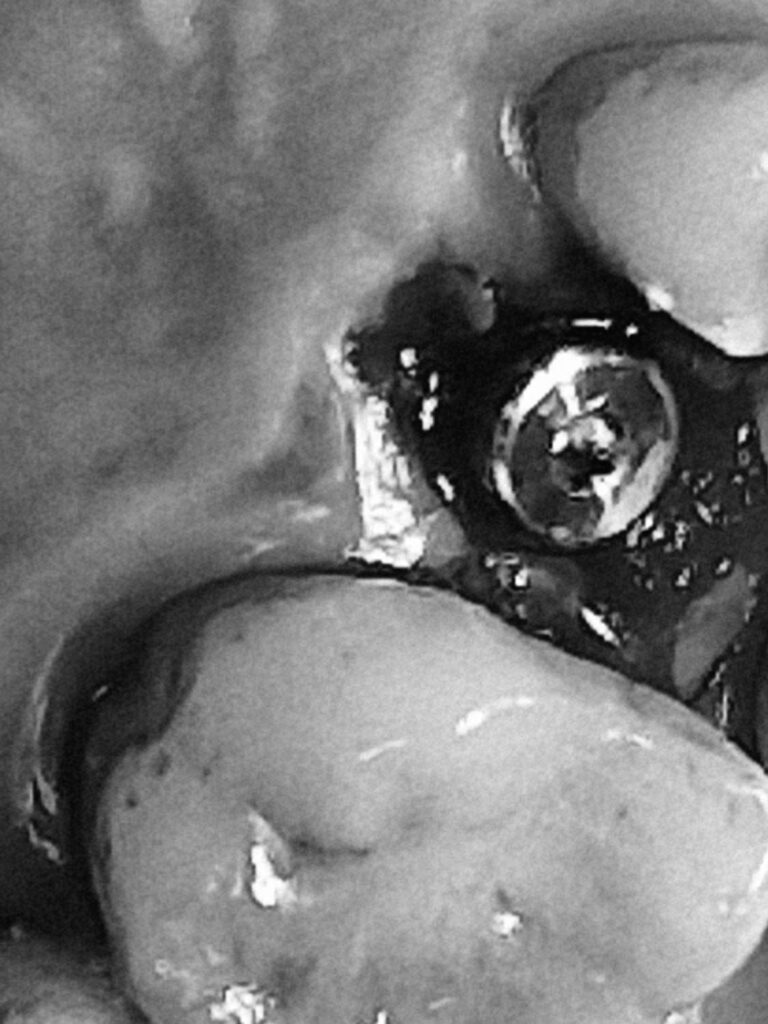 Tips to Reduce Pain After Dental Implant Surgery
Even though dental implant surgery is well-tolerated in general, adhering to the proper aftercare regimen will certainly make the whole process easier for you. Below are several pieces of advice that dentists often give to their patients.
Make Sure You Take Your Medicine: In case if your dentist prescribes you any drugs, such as analgesics or antibiotics, take them in accordance with instructions and do not miss a single dose, particularly during the first 24 hours.
Use an Ice Pack: Applying the ice pack to your face for about 10 to 15 minutes at a time may be quite effective in decreasing swelling.
Eat Soft Foods: Choose foods that require little chewing for the first few days. This allows the implant site to heal without unnecessary pressure.
Keep the Area Clean: Good oral hygiene is essential for proper healing. Brush your teeth gently and follow your dentist’s instructions regarding rinsing or cleaning around the implant.
Avoid Smoking and Alcohol: Smoking slows the healing process and increases the risk of implant failure. Alcohol can also interfere with healing and certain medications. It’s best to avoid both until your dentist advises otherwise.
Get Enough Rest: Your body heals more effectively when you rest. Avoid strenuous exercise for at least 24 to 48 hours after the procedure.
Foods to Eat and Foods to Avoid After Dental Implant Surgery
Your diet plays an important role during recovery.
Foods to Eat
Choose soft, nutritious foods that are easy to chew.
- Yogurt
- Smoothies (without using a straw)
- Mashed potatoes
- Oatmeal
- Soup (lukewarm, not hot)
- Scrambled eggs
- Soft rice
- Cottage cheese
- Steamed vegetables
- Bananas
Drinking plenty of water also supports the healing process.
Foods to Avoid
For the first few days, avoid foods that may irritate the surgical area.
- Hard nuts
- Chips
- Popcorn
- Sticky sweets
- Chewing gum
- Very spicy food
- Extremely hot beverages
- Carbonated drinks
- Alcohol
Once your dentist confirms that healing is progressing well, you can gradually return to your normal diet.
Signs Your Recovery Is Normal
Many patients worry that normal healing symptoms indicate a problem. In reality, these are common signs that your body is recovering.
During the first few days, you may notice:
- Mild swelling around the implant area
- Slight tenderness while chewing
- Minor bleeding on the first day
- Mild bruising near the gums or cheek
- Temporary jaw stiffness
These symptoms usually improve every day. If the discomfort is becoming less noticeable instead of worse, your recovery is likely progressing as expected.
Warning Signs That Need Immediate Dental Attention
While complications are uncommon, it’s important to know when to contact your dentist.
Seek professional advice if you experience:
- Severe pain that increases after several days
- Heavy or continuous bleeding
- Swelling that worsens after three or four days
- Fever or chills
- Pus or discharge around the implant
- Persistent bad taste or unpleasant smell
- Difficulty opening your mouth
- A loose implant
- Numbness that continues long after the anaesthesia should have worn off
Prompt treatment can prevent minor issues from becoming more serious.
Common Myths About Dental Implant Pain
Many misconceptions prevent people from replacing missing teeth. Let’s separate fact from fiction.
| Myth | Fact |
| Dental implant surgery is extremely painful. | The procedure is performed under local anaesthesia, so you should not feel pain during treatment. |
| Recovery takes several months of pain. | Most patients experience only mild discomfort for a few days, while the implant heals naturally beneath the gums. |
| Dental implants hurt more than tooth extraction. | Many patients find implant recovery easier than recovering from a difficult tooth extraction. |
| Older adults cannot tolerate dental implants. | Age alone is not a barrier. Overall oral health and bone quality are more important than age. |
| Pain means the implant has failed. | Mild soreness is normal during healing. Persistent or increasing pain should be evaluated by your dentist. |
Understanding the facts can help you make a confident decision based on evidence rather than fear.
sWhy Choose Smile o Scan for Dental Implant Treatment in Salt Lake?
Selecting the right dental clinic is just as valuable as choosing the right treatment.
At Smile o Scan, every dental implant technique begins with careful planning and a tailored approach. Our experienced dental team emphasizes offering comfortable, precise, and predictable treatment using advanced technology.
Patients choose Smile o Scan because we offer:
- Comprehensive consultation and treatment planning
- Digital X-rays and advanced diagnostic imaging
- Personalised implant solutions based on individual needs
- Strict sterilisation and infection control protocols
- Modern equipment for accurate implant placement
- Compassionate care that helps anxious patients feel comfortable
- Regular follow-up appointments to monitor healing
Whether you require to replace one missing tooth or numerous, our goal is to restore your smile while making the treatment experience as smooth as possible.
If you are looking for a trusted provider for a Dentist in Salt Lake, our team is here to answer your questions and help you choose the most suitable treatment option.
Frequently Asked Questions
Is dental implant surgery painful?
No. The procedure is performed under local anaesthesia, so you should not feel pain during implant placement. Mild soreness after the procedure is normal and usually lasts only a few days.
How long does dental implant pain last?
Most patients experience mild discomfort for three to five days. Healing continues beneath the surface for several months, but this process is generally painless.
Can I return to work after getting a dental implant?
Many patients return to work the following day, especially after a single implant procedure. However, your dentist may recommend taking a day of rest depending on your treatment.
Is swelling normal after dental implant surgery?
Yes. Mild swelling is expected during the first two to three days and gradually decreases.
What foods should I eat after implant surgery?
Soft foods such as yogurt, mashed potatoes, soup, scrambled eggs, oatmeal, and smoothies are good choices during the early recovery period.
Can I brush my teeth after getting a dental implant?
Yes. Continue brushing your teeth gently while avoiding direct pressure on the surgical area until your dentist advises otherwise.
When can I eat normally again?
Most patients gradually return to their normal diet within one to two weeks, depending on the healing progress.
Is a dental implant suitable for older adults?
Yes. Many older adults successfully receive dental implants. Your dentist will evaluate your overall health and jawbone condition before recommending treatment.
How do I know if my implant is healing properly?
Reduced swelling, less discomfort each day, and healthy-looking gums are good signs that healing is progressing normally.
When should I contact my dentist after implant surgery?
You should contact your dentist if you develop severe pain, persistent bleeding, fever, increasing swelling, or notice that the implant feels loose.