

Preventive Dental Nutrition
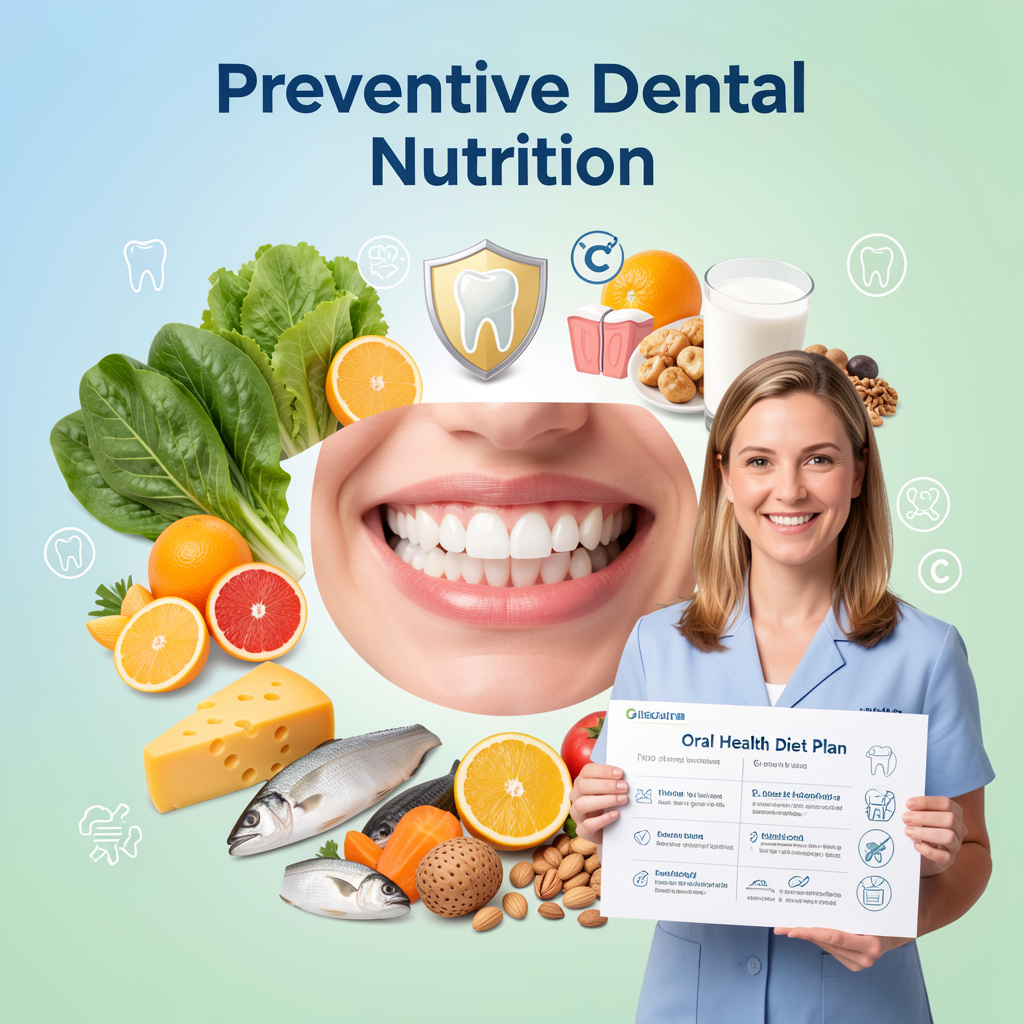
In today’s dental landscape, Preventive Dental Nutrition has become an essential aspect of oral care. Modern dental clinics are increasingly recognizing the role of dietitian in dentistry to develop personalized diet plan for dental caries, support patient recovery, and promote long-term oral health. Integrating nutrition into dental care not only enhances treatment outcomes but also helps prevent common oral diseases through targeted interventions in nutrition in oral care.
Why Nutrition Matters in Oral Health
Oral health is closely linked to overall nutrition. A diet lacking essential nutrients can weaken teeth, reduce gum resilience, and increase the risk of cavities and periodontal disease. Incorporating nutrition for oral health into treatment plans provides multiple benefits:
- Strengthens enamel and gum tissue
- Reduces incidence of dental caries
- Supports recovery after dental procedures
- Enhances overall patient wellbeing
Through medical nutrition therapy dentistry, dietitians work alongside dental professionals to create personalized plans that complement preventive and restorative treatments.
Proper nutrition is essential for maintaining oral health, but understanding its impact on dental disease prevention makes it even more effective. A comprehensive study on nutrition and oral health highlights how tailored dietary strategies can significantly reduce the risk of dental caries and gum disease, reinforcing the importance of Preventive Dental Nutrition in modern dental care.
Role of Dietitian in Modern Dental Clinics
Dietitians in dental clinics play a pivotal role in patient care. Their responsibilities include:
- Assessing dietary habits that contribute to tooth decay and gum disease
- Developing diet plan for dental caries tailored to individual patients
- Educating patients on nutrition in oral care and healthy food choices
- Supporting patients with chronic conditions like diabetes to prevent oral complications
- Collaborating with dentists to reinforce diet and oral disease prevention strategies
By incorporating dietitians into dental teams, clinics can move beyond reactive treatments to proactive prevention of dental diseases.
Key Nutritional Strategies for Oral Health
1. Balanced Intake of Vitamins and Minerals
Vitamins A, C, D, and minerals like calcium and phosphorus are critical for strong teeth and healthy gums. Preventive Dental Nutrition emphasizes:
- Calcium: Essential for strong enamel
- Vitamin D: Improves calcium absorption
- Vitamin C: Supports gum healing and tissue integrity
2. Limiting Sugars and Acidic Foods
Excess sugar and acidic foods contribute to enamel erosion and cavities. Dietitians advise patients to:
- Reduce sugary snacks and drinks
- Substitute with nutrient-rich alternatives like fruits, nuts, and dairy
- Pair carbohydrate intake with protective foods like cheese or vegetables
3. Meal Timing and Frequency
Frequent snacking can increase acid exposure on teeth. Recommended strategies include:
- Structured meals and limited snacks
- Rinsing or brushing after meals with sugary foods
- Drinking water to neutralize acids and maintain saliva flow
4. Hydration and Saliva Support
Saliva protects against bacterial buildup and promotes remineralization. Dietitians encourage:
- Adequate daily water intake
- Foods that stimulate saliva, such as crunchy vegetables
- Avoiding excessive caffeine and alcohol, which reduce saliva
Benefits of Integrating Nutrition in Dentistry
Integrating Preventive Dental Nutrition into dental care provides measurable benefits:
- Reduced risk of cavities and gum disease
- Improved effectiveness of dental treatments
- Enhanced patient awareness about oral health
- Personalized strategies that consider lifestyle and health conditions
Incorporating Preventive Dental Nutrition into your daily routine strengthens teeth and gums, but combining it with practical preventive measures maximizes results. You can learn more about effective dental disease prevention strategies to complement your nutritional approach and maintain long-term oral health.
How Clinics Implement Preventive Dental Nutrition
Modern dental clinics implement nutrition-focused care in several ways:
- Initial Nutritional Assessment: Understanding patients’ diet patterns and deficiencies.
- Customized Diet Plans: Tailored meal plans targeting diet plan for dental caries prevention.
- Education and Follow-Up: Counseling sessions and follow-ups to ensure adherence and monitor progress.
- Collaboration with Dentists: Integrating recommendations with medical nutrition therapy dentistry to optimize oral health outcomes.
This approach transforms dental care from reactive treatment to proactive wellness, emphasizing the importance of nutrition in preventing dental complications.
The integration of Preventive Dental Nutrition in modern dental clinics is no longer optional—it’s essential. By leveraging the role of dietitian in dentistry, clinics can provide personalized diet plan for dental caries, improve nutrition for oral health, and implement effective diet and oral disease prevention strategies. Through structured nutritional guidance, patients not only benefit from stronger teeth and healthier gums but also gain the knowledge to maintain lifelong oral wellness.
FAQs
- Why dental clinics need a dietitian?
Dietitians guide patients on nutrition that strengthens teeth, prevents cavities, and supports gum health. - How nutrition affects oral health?
Proper intake of vitamins and minerals enhances enamel, promotes gum healing, and prevents dental diseases. - Role of nutrition in preventing dental diseases?
Nutrition can reduce cavity formation, prevent gum inflammation, and complement dental treatments. - Medical nutrition therapy for oral health?
Targeted dietary plans help prevent dental caries, gum disease, and support overall oral tissue integrity. - How dietitian helps prevent cavities and gum disease?
Dietitians provide personalized dietary recommendations, limit sugar exposure, and advise on nutrients essential for oral health.